

OUR SERVICES: MEDICAL CONDITIONS
View any of the following skin conditions from our list below and learn more about symptoms, causes, and treatment options:
Skin Cancer, Acne, Eczema, Psoriasis, Rosacea, Moles, Age/Sun Spots, and Warts.
Understanding Skin Cancer: Causes and Prevention
Skin cancer is the most common type of cancer in the United States; however, when detected early, it is also one of the most treatable. Skin cancer is caused by the uncontrolled growth of abnormal skin cells, often due to damage in the skin. Various risk factors increase the chance of skin cancer including genetic susceptibility and UV radiation from sun exposure and/or tanning beds. Skin cancers are classified based on the part of the skin they arise from. The three most common types are basal cell carcinoma, squamous cell carcinoma and melanoma.
Prevention is key in the fight against skin cancer. Using broad-spectrum sunscreen, wearing protective clothing, and considering some over-the-counter supplements can shield your skin from sun damage and reduce your overall risk.
If you have noticed a suspicious growth, contact us today; it’s important that you have it evaluated.
What is Acne?
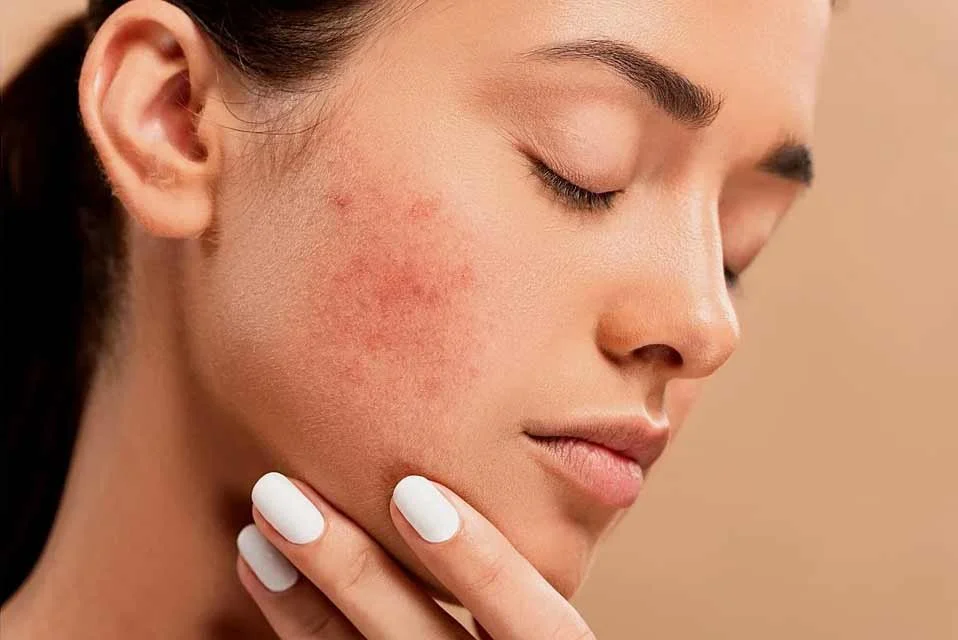
Acne is a common skin condition caused by a combination of factors. It can affect teens, adults, and even infants. The causes of acne vary from person to person, depending on an individual's genetics, hormones, medications, cosmetics, stress levels, and environment.
Different Types of Acne
There are several different types of acne, including:
Blackheads: Small, dark bumps that form on the skin when hair follicles become clogged with dead skin cells and oil.
Whiteheads: Similar to blackheads, but they remain closed under the skin and have a white bump.
Papules: Inflamed comedones that appear as painful pink bumps.
Pustules: Inflamed blockages in sebaceous glands or pores that resemble whiteheads with pus.
Cysts: Inflamed, pus-filled lumps deep within the skin.
Nodules: Painful, solid lumps that develop under the skin.
Understanding the different types of acne can help in identifying appropriate treatments and management strategies.
If you have acne problems, make an appointment with our team of experts to set up your personalized treatment plan today.
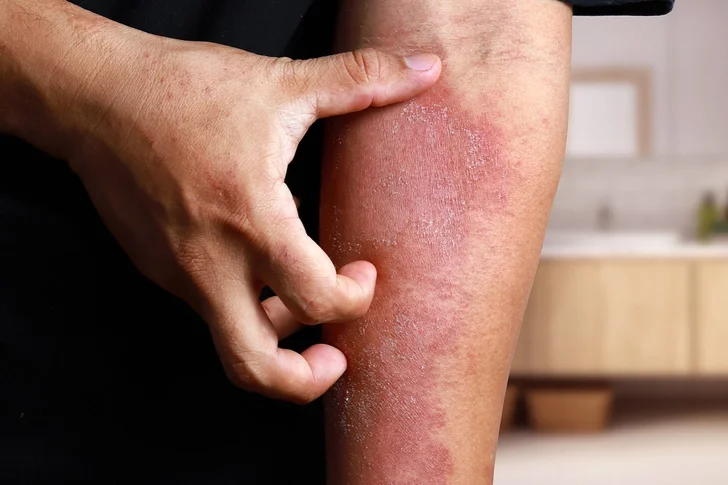
What is Eczema?
Eczema refers to a group of disorders resulting in skin barrier dysfunction leading to irritation, dryness and itching of the skin. Types of eczema include atopic dermatitis, nummular and dyshidrotic. While the cause of eczema is not completely understood, various factors play a role including genetics and environmental triggers. Individuals with asthma and allergies are generally more susceptible to eczema. While children are more likely to have eczema, it can develop at any age.
Book an appointment to discuss treatment options for your eczema.
What is Psoriasis?
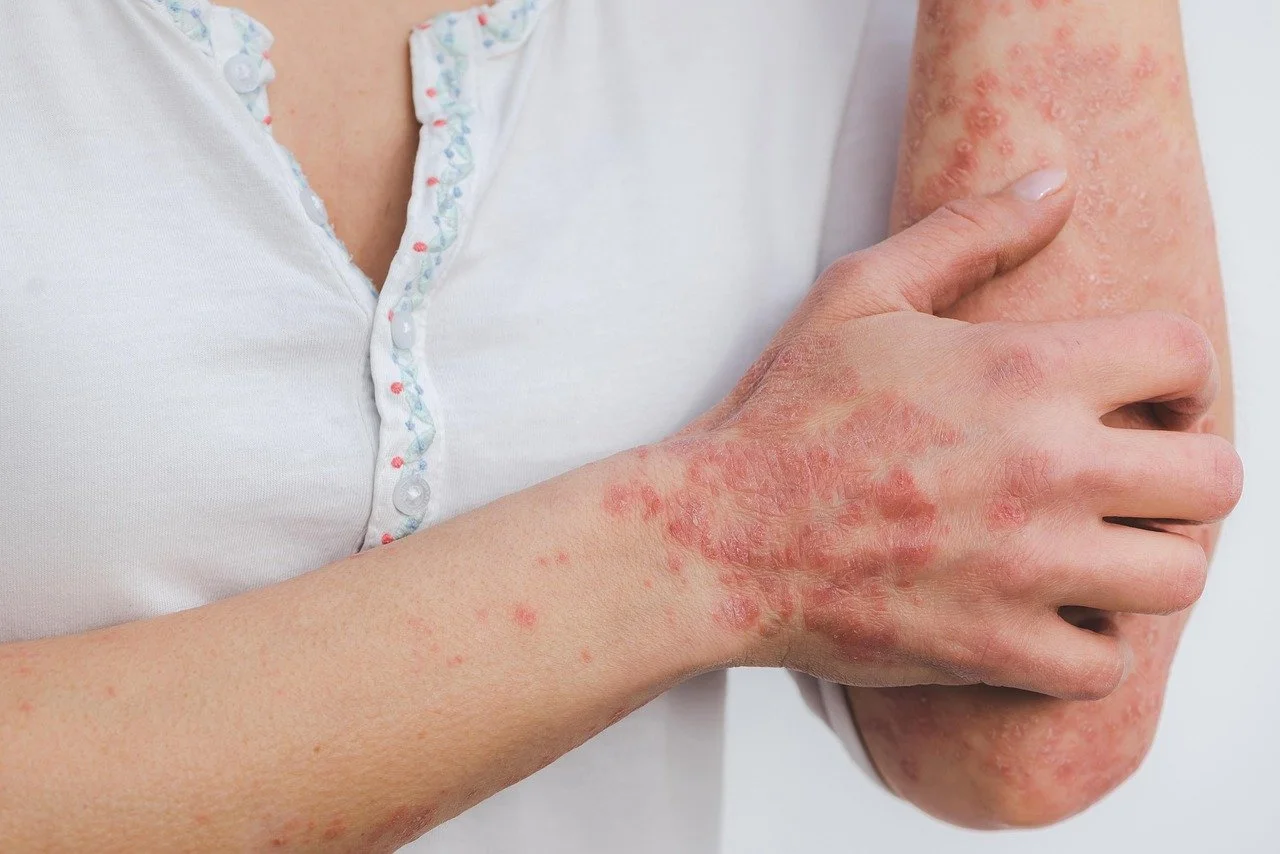
Psoriasis is skin disorder that is characterized by raised, red, and scaly patches. It is a chronic disease and can be associated with arthritis. While there can be a genetic predisposition, certain external factors can trigger flare-ups of the disease, including infections, skin injuries, stress, and specific medications.
Different Types of Psoriasis
There are several important types of psoriasis to be aware of:
Plaque psoriasis is a common condition that causes raised, red, and scaly patches on the scalp, knees, elbows, or lower back.
Guttate psoriasis is characterized by small spots and can be triggered by infections such as strep throat. It is one of the most common forms of psoriasis.
Erythrodermic psoriasis is a severe and rare form of psoriasis, affecting about 3% of those with the condition. It causes widespread redness, intense itching, and discomfort, and can lead to skin peeling in sheets, resulting in serious health issues. This type often occurs in individuals with unstable and persistent plaque psoriasis.
Inverse psoriasis is characterized by very red, smooth and shiny lesions located in the folds of the skin. This condition is often present alongside other types of psoriasis.
Pustular psoriasis appears as white blisters on red, irritated skin, primarily affecting the hands and feet. Although the pustules contain white blood cells, this form of psoriasis is not a contagious infection.
Book an appointment with us to schedule your physical examination and personalized treatment plan.
What is Rosacea?
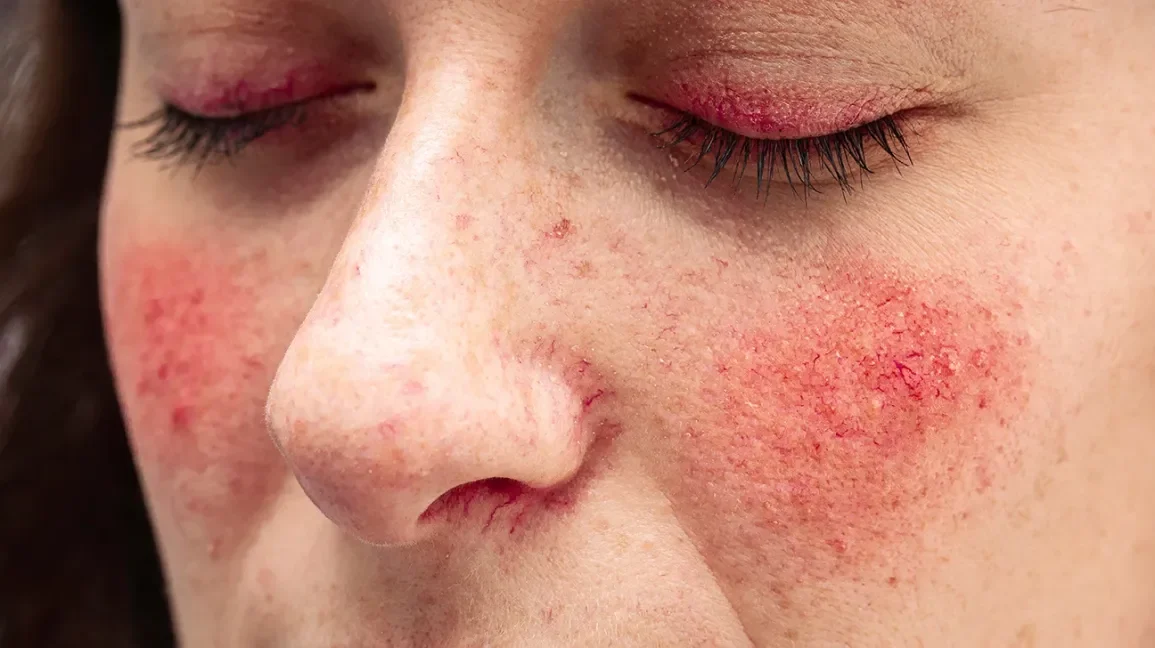
Rosacea is a skin condition characterized by increased inflammation, which can lead to symptoms such as redness (either permanent or fluctuating), visible blood vessels, bumps, and sensations of burning, itching, or stinging. This condition often arises from underlying inflammation and sensitivity issues in the skin, making it appear flushed, swollen, dry, rough, and scaly. In some cases, it can resemble acne due to the inflammation and bumps.
The exact cause of rosacea is not fully understood, but it may be influenced by individual genetics and sensitivity to specific triggers. Common triggers for rosacea include extreme temperatures, sun exposure, alcohol, spicy foods, caffeine, exercise, certain acne treatments, and stress.
Book an appointment to examine a possible case of rosacea.
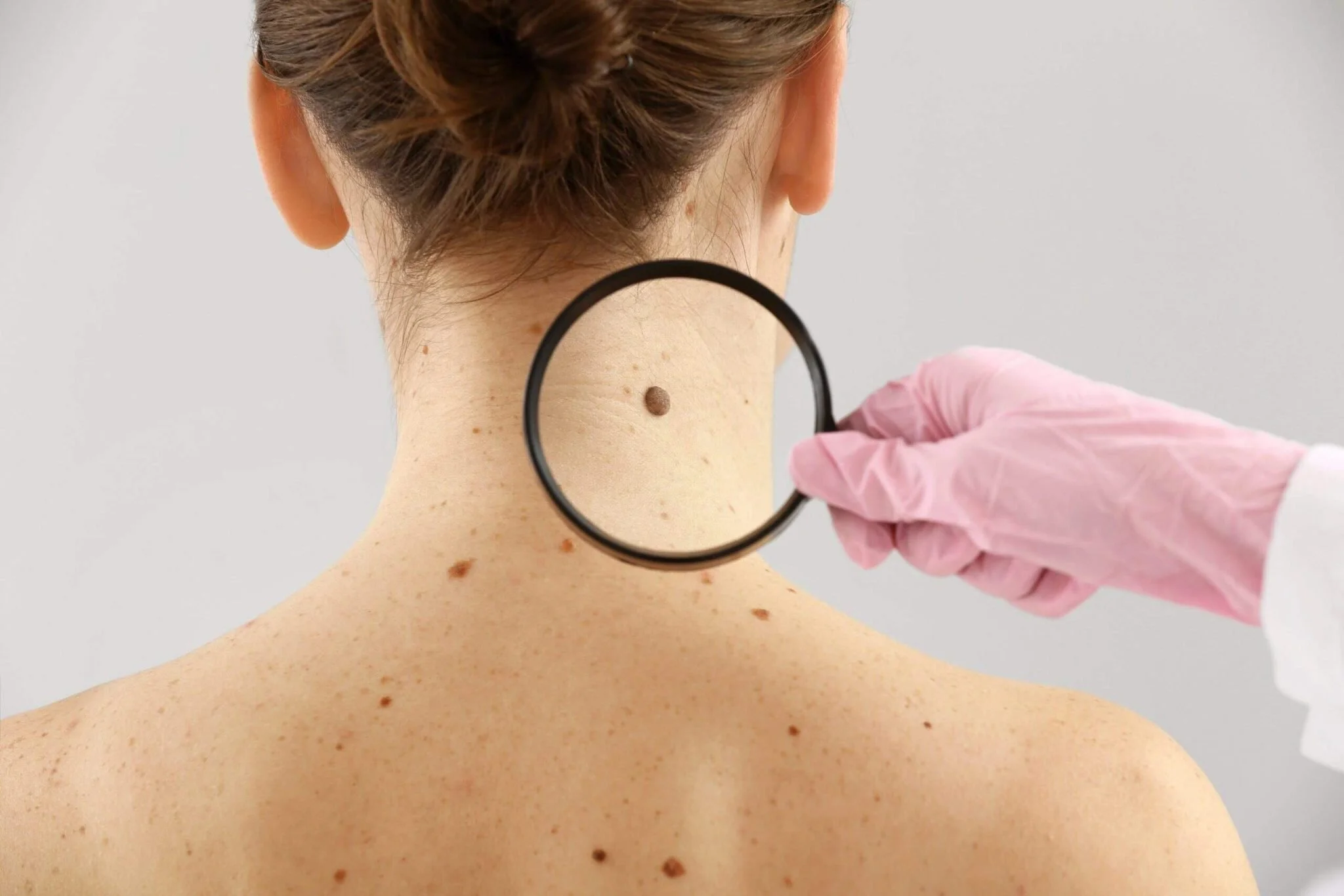
What are Moles?
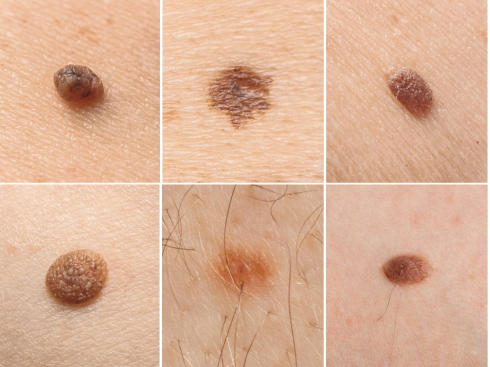
Moles are a common growths on the skin. They are formed by clusters of the cells responsible for skin pigment, called melanocytes. There are multiple types of moles characterized by their appearance and location within the skin. Moles can be flat or raised and they can vary in color from skin-colored, pink, brown, blue or black. While moles are benign, it is important to monitor for change using the ABCDEs of melanoma and seek evaluation if you note any of the risk factors below:
Asymmetry- Do both halves of the mole look the same?
Border- Is it irregular?
Color- Is it uneven or an unusual color?
Diameter- Is it larger than a pencil eraser?
Evolving- Has it changed in size, shape, color or become painful or itchy?
If you have a mole you want examined, you can book an appointment with our team of qualified dermatologists today.
What are Lentigines?
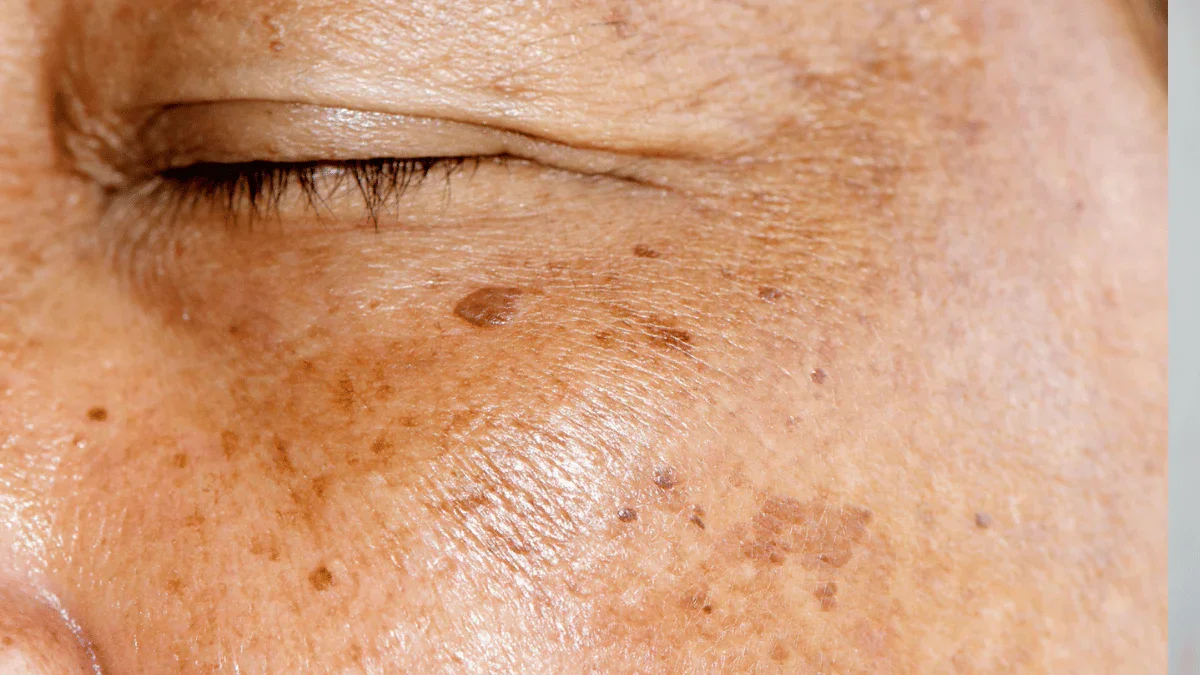
Lentigines, also known as sun spots or age spots, are a common skin feature and typically increase with age and sun exposure. These spots are characterized by their flat, dark color and irregular shape. They vary in size and commonly appear on areas of the skin that are exposed to the sun, such as the hands and face.
While lentigines are a common and benign condition, there are cosmetic treatments available. Options for treating lentigines include cryotherapy, bleaching agents, chemical peels, and laser treatments.
Book an appointment with us to discuss which treatment is for you.
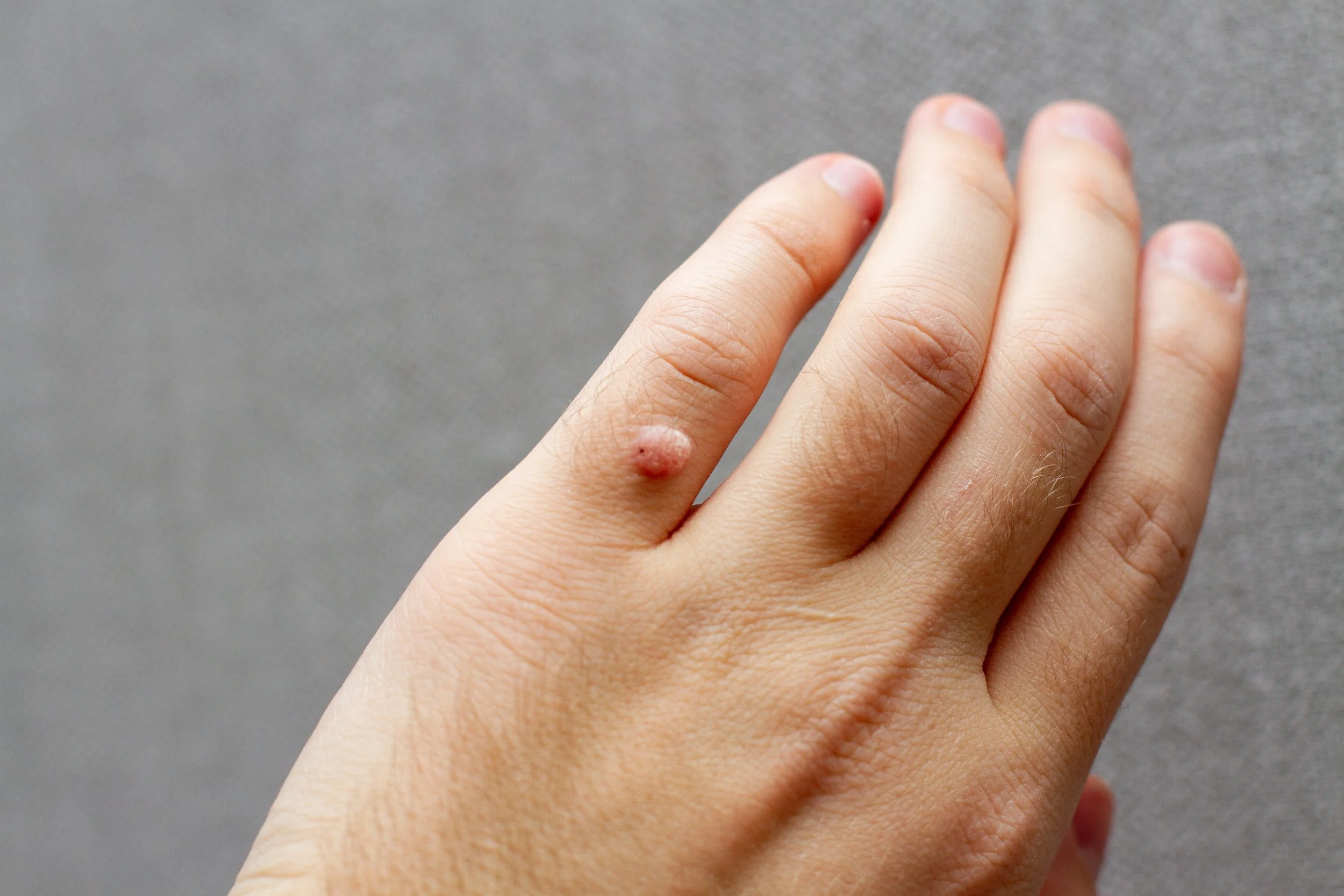
What are Warts?
Warts are contagious, benign growths that are caused by the human papillomavirus (HPV). While most types of HPV lead to relatively harmless warts, such as common warts and plantar warts, some types can cause more serious health issues.
Who Can Get Warts?
Children, teenagers, and individuals with weakened immune systems are more susceptible to the HPV virus, but anyone can develop warts. This virus can spread through breaks in the skin, such as hangnails or scrapes. To prevent the spread of the virus, it is important to avoid picking at or shaving over warts on the body.
Book an appointment with our team of certified dermatologists to further examine any warts or concerns you have.